
Myra Canyon History
History
The Kettle Valley Railway
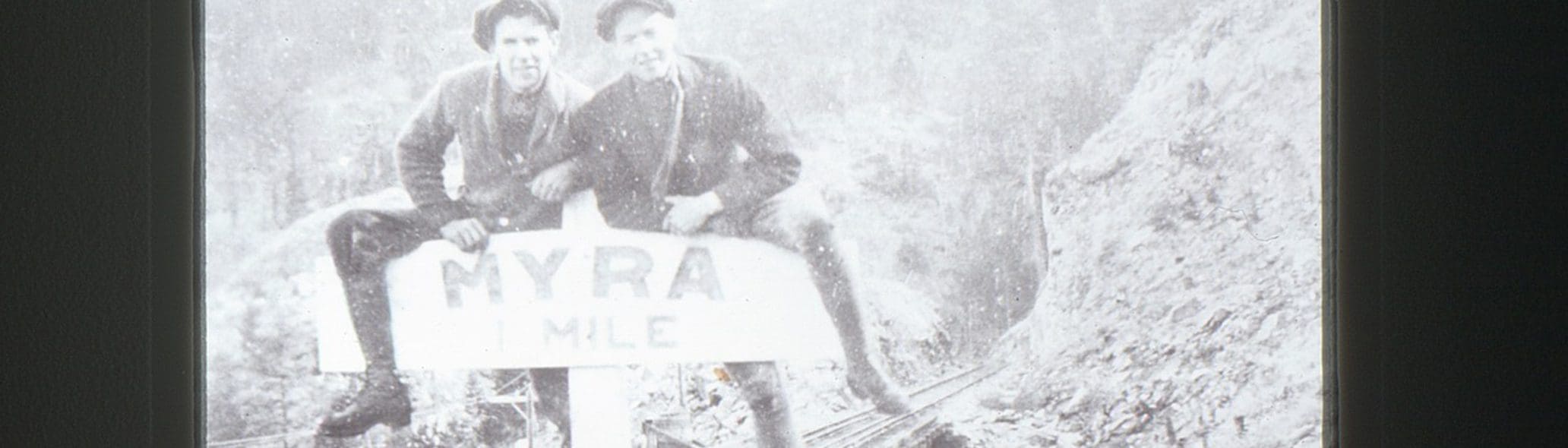
In 1897-1898, responding to the rush for Kootenay gold, silver and other minerals being mined, the CPR built the Crow’s Nest Pass line, eventually reaching Midway in West Kootenay. Meanwhile the Great Northern Railroad, a USA company, was also completed with branch lines North into Canada. Crossing the 49th parallel threatened the sovereignty of what is now Southern BC by claiming “Manifest Destiny”, a philosophy at the time to drive US territorial expansion.
CPR directors and its President Thomas Shaughnessy agreed to a plan from the small Kettle River Valley Railway (later the Kettle Valley Railway or “KVR”) to extend the southern route from Midway. By connecting to the main line at Hope, Kootenay minerals and lumber could move to the ports of New Westminster and Vancouver. This commitment and action kept BC within Canada.
History Of Myra Canyon
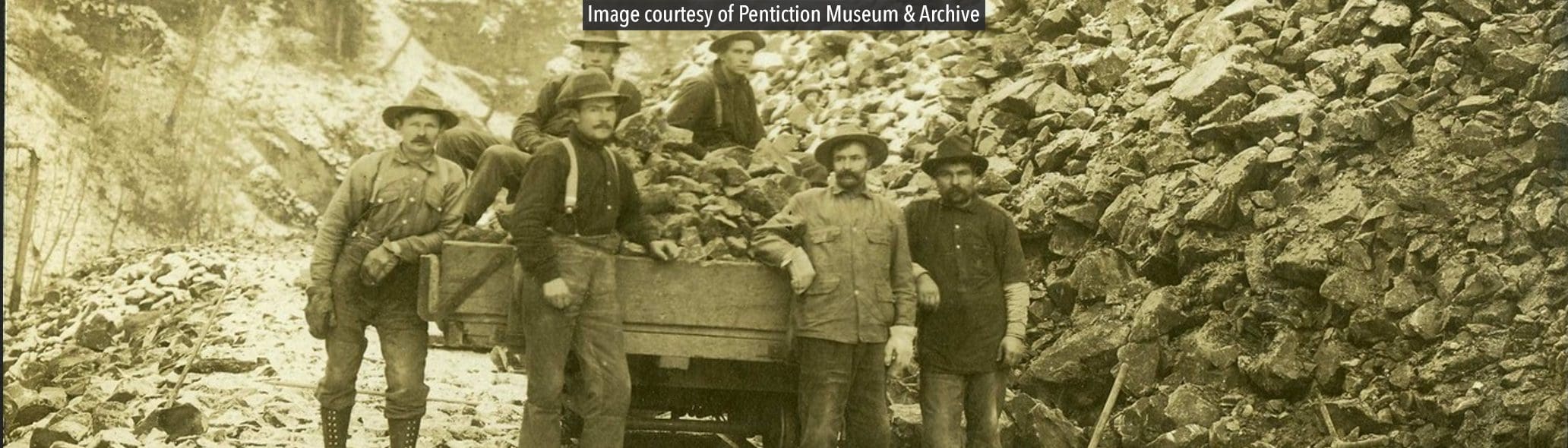
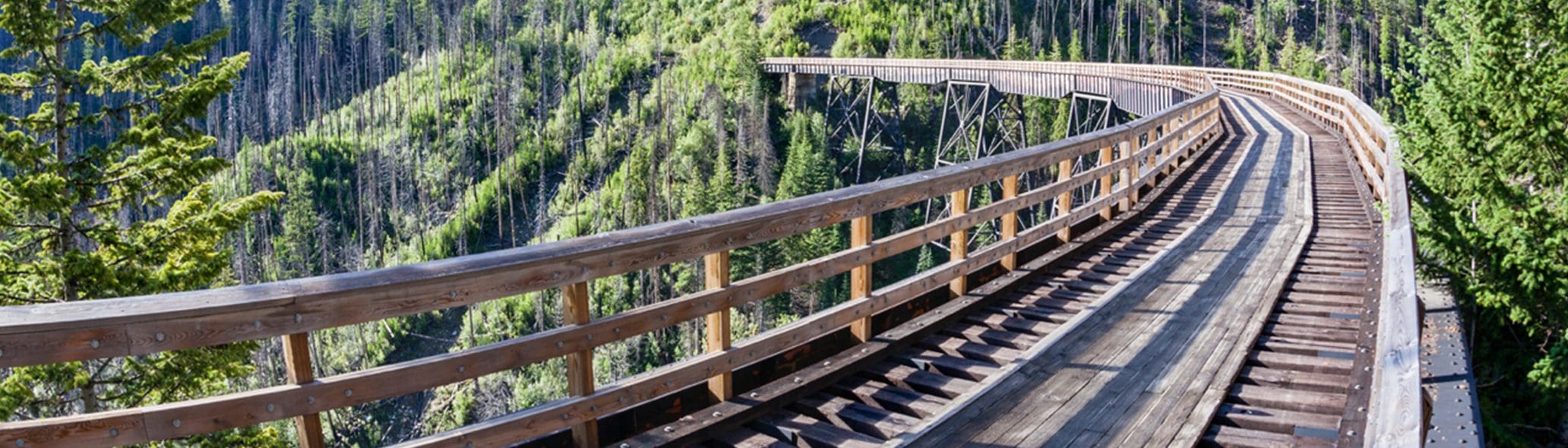
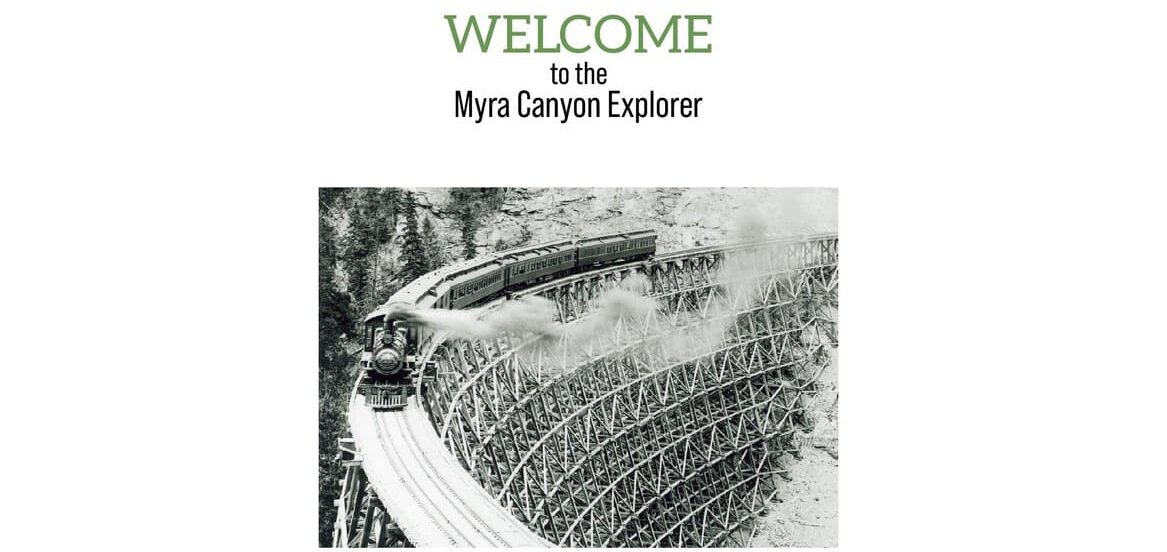
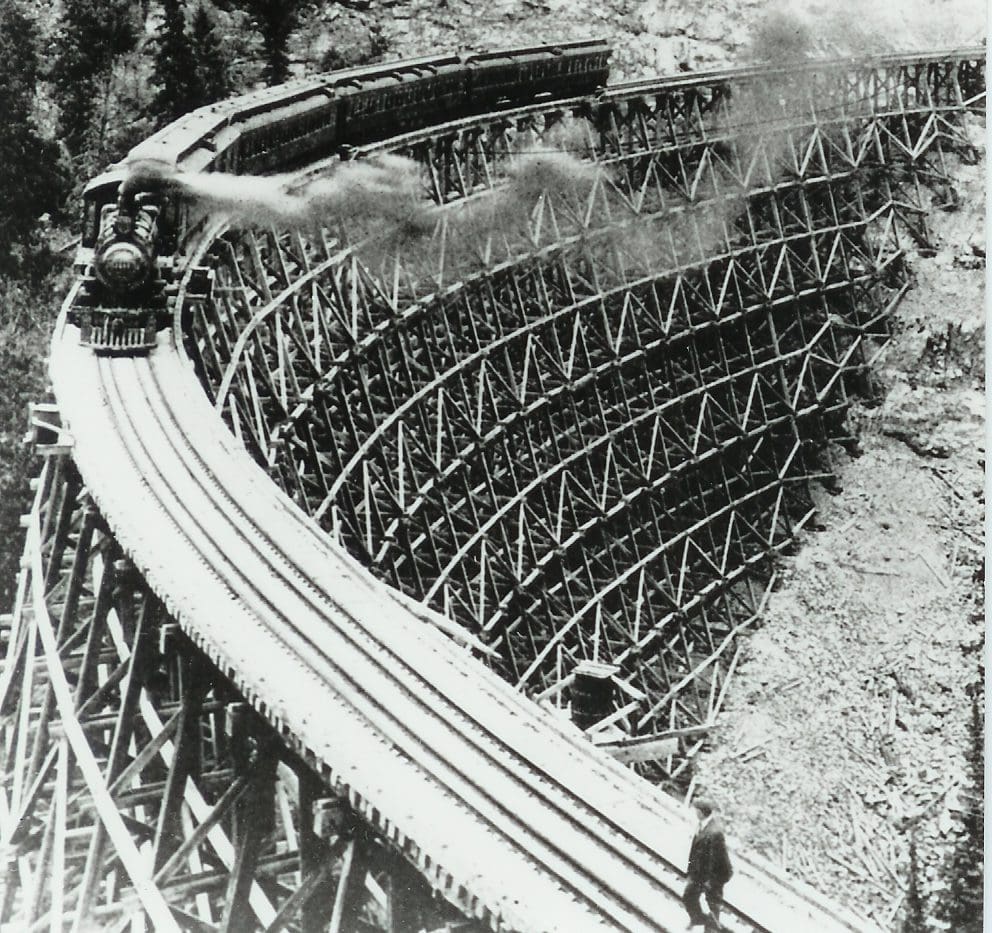
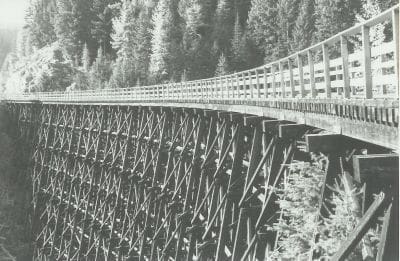
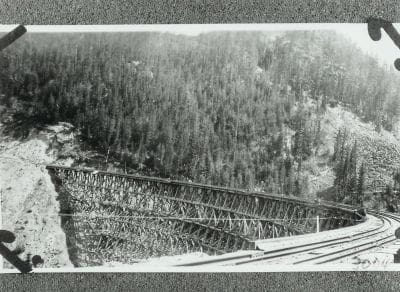
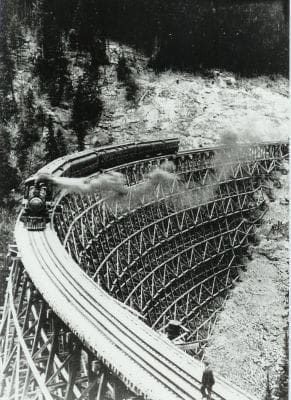
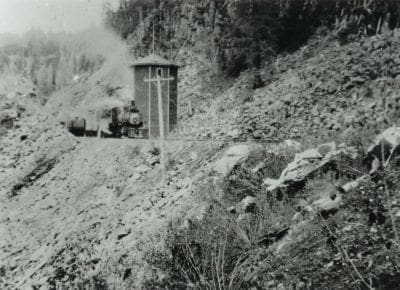
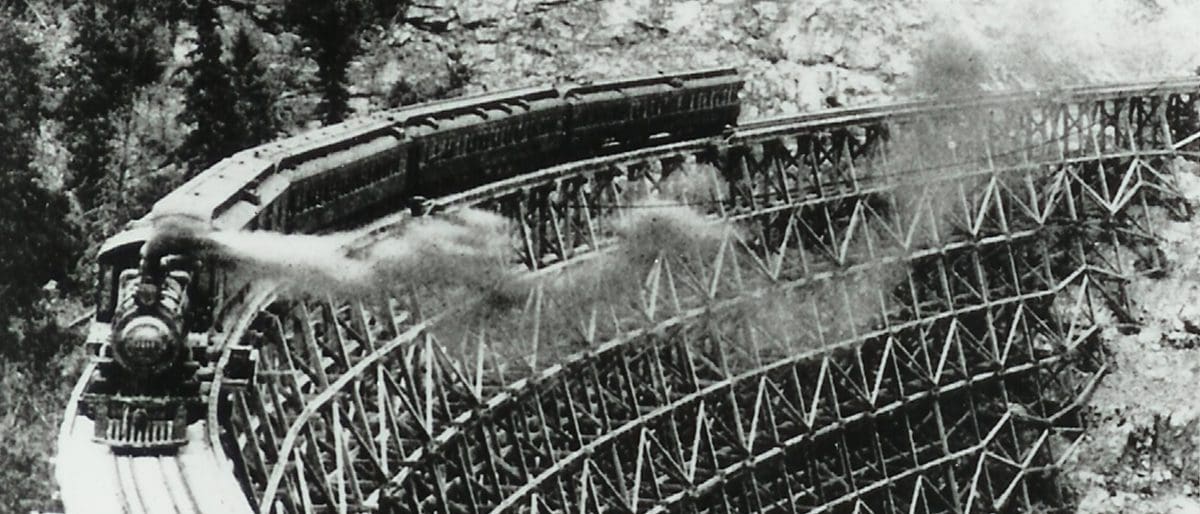
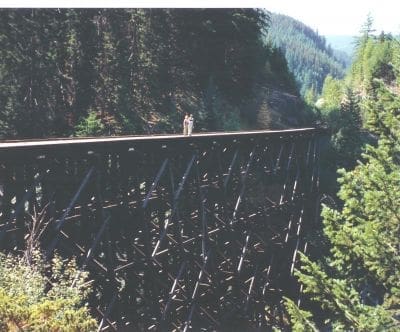
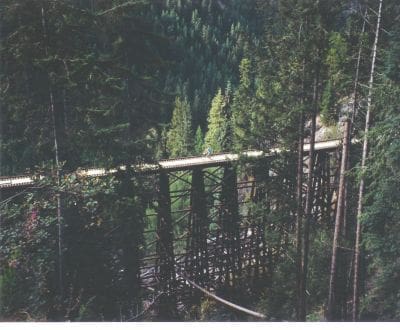
Myra Canyon presented a challenging obstacle to Chief Engineer Andrew McCullough. At an elevation of 1280 metres, the highest section of the KVR, it is a deep, steep and wide chasm, carved out by two main creeks: today’s KLO and Pooley creeks. McCulloch creatively hung his railway on the sides of the canyon, using nearly eleven kms of track to reach around something less than one kilometer wide. Completed in 1914, it took 19 (now 18) wooden trestles of various lengths and heights to do it. McCulloch commented that he had never seen a railway built in such difficult conditions. His engineers aptly called it “McCulloch’s Wonder”.
When the Coquihalla section opened in 1916 the southern route from the Kootenays to the West coast was complete. Through to 1980 the KVR was the major economic driver of development of BC’s southern interior.
For a detailed history of the construction of the Myra Canyon section of the Kettle Valley Railway, see Myra’s Men: Building the Kettle Valley Railway, Myra Canyon to Penticton, by Maurice Williams.
Making The Myra Canyon Trail
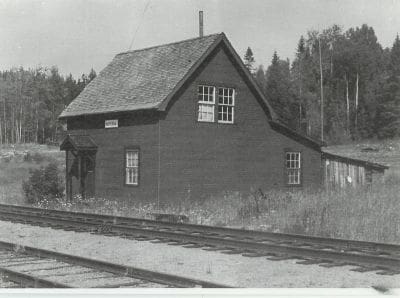
In 1980 the CPR removed the rails from Midway to Penticton and turned over the right-of-way to the provincial government. The trail and the trestles soon fell into disrepair, neglect and vandalism. When several serious accidents occurred, the BC government contemplated closing the entire trail to the public.
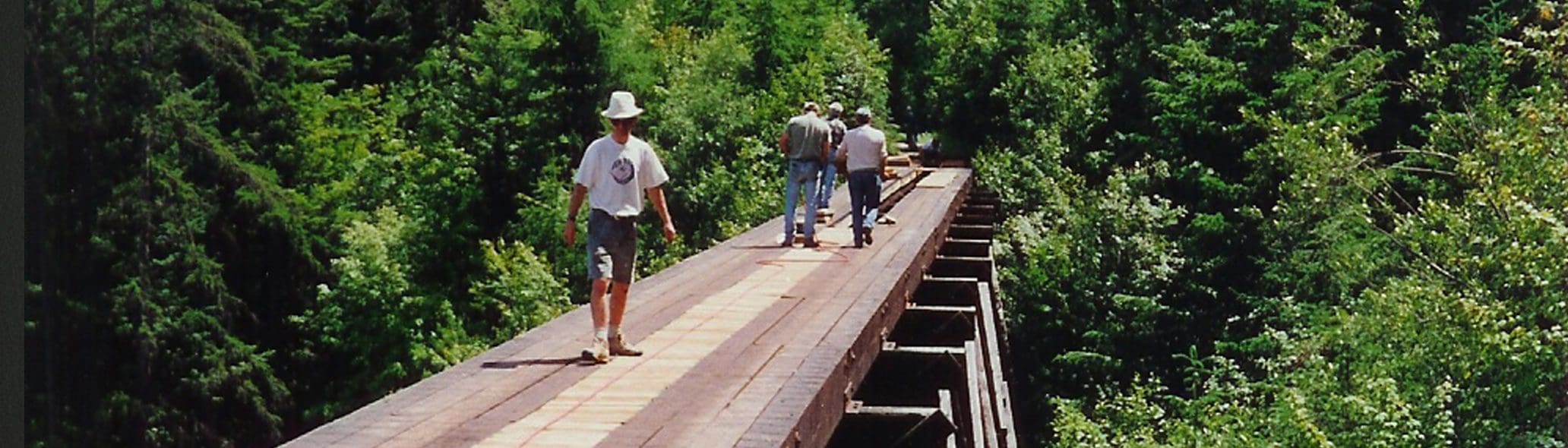
In 1993 the Myra Canyon Trestle Restoration Society (MCTRS) was formed with the goal of making the trestles safer for the public. Over the next three years, its volunteers decked each of the trestles with a four-foot boardwalk and erected guard rails. Community groups and individuals came forward to sponsor the trestles with labour, funds, or both. Everything was done through volunteers and donations.
With the trestles now safe for visitors, in 1995 MCTRS turned its attention to repairing the trail, building cribbing for one of the tunnels, and arranging scaling on the rock cuts and in the two tunnels. Visitor numbers began to increase significantly. MCTRS installed toilets and built benches at view points and convenient rest areas. Interpretive signage followed as did electronic counters to tally the people passing through the canyon. In 2003, over 30,000 people visited Myra Canyon from all over the world as the canyon became a destination for adventure tourism. A major cycling magazine rated it as one of the 50 best bike rides in the world.
MCTRS also saw the need for protection of Myra Canyon long-term. After 5 years of lobbying the BC Government, Myra Canyon and its trestles were declared a part of the new Myra-Bellevue Provincial Park. Then, to recognize the history of the Kettle Valley Railway and in particular, Myra Canyon, MCTRS applied to the National Historic Sites and Monuments Board of Canada for designation of the canyon as a place of national historic significance. That designation occurred in January, 2003.
Wildfire Devastation & Reconstruction
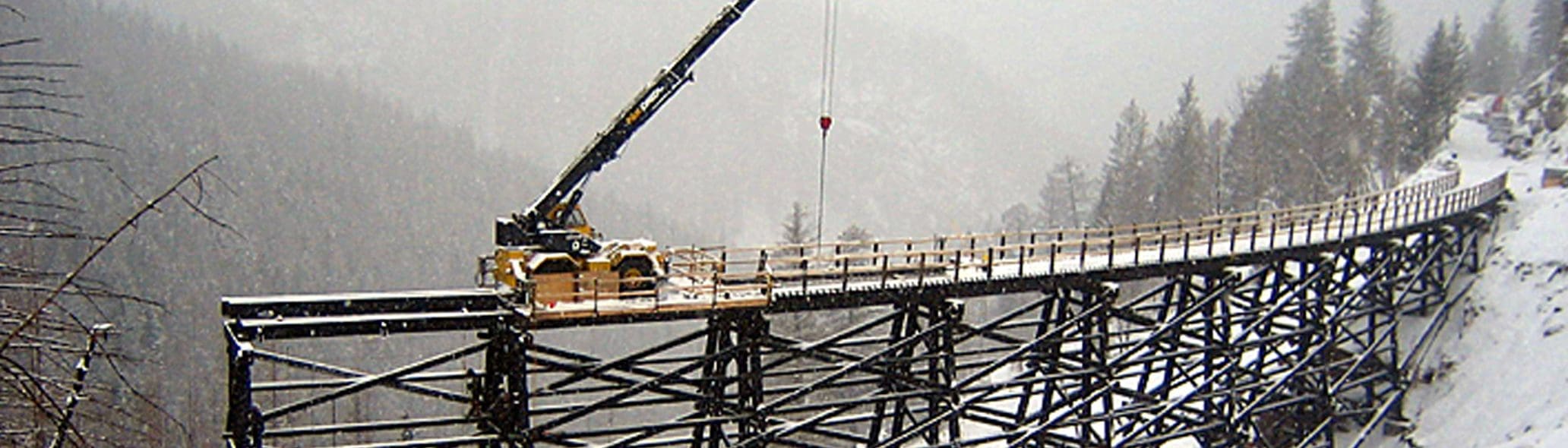
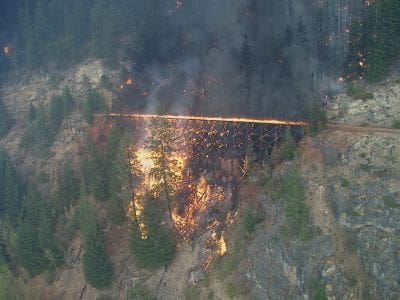
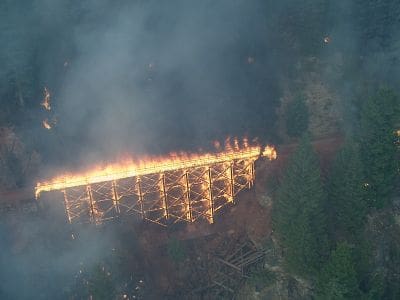
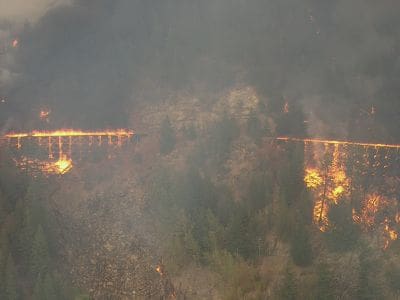
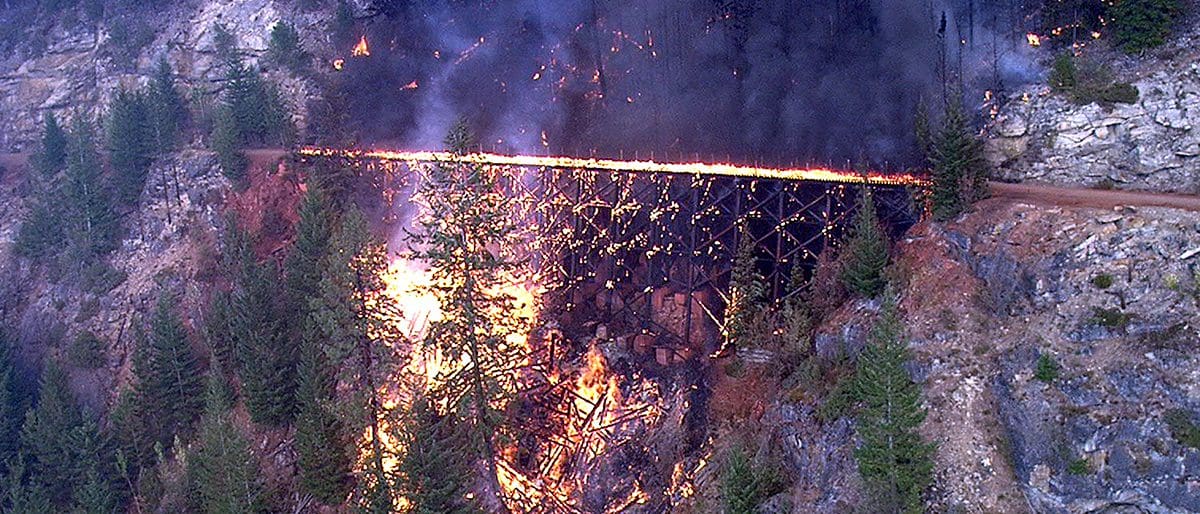
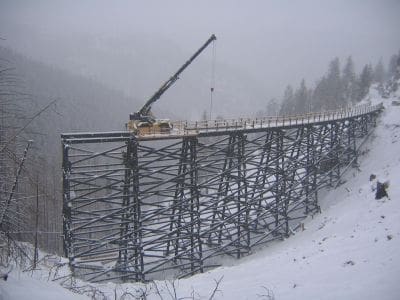
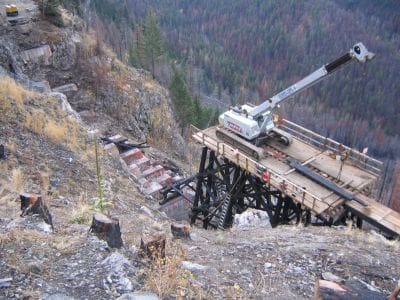
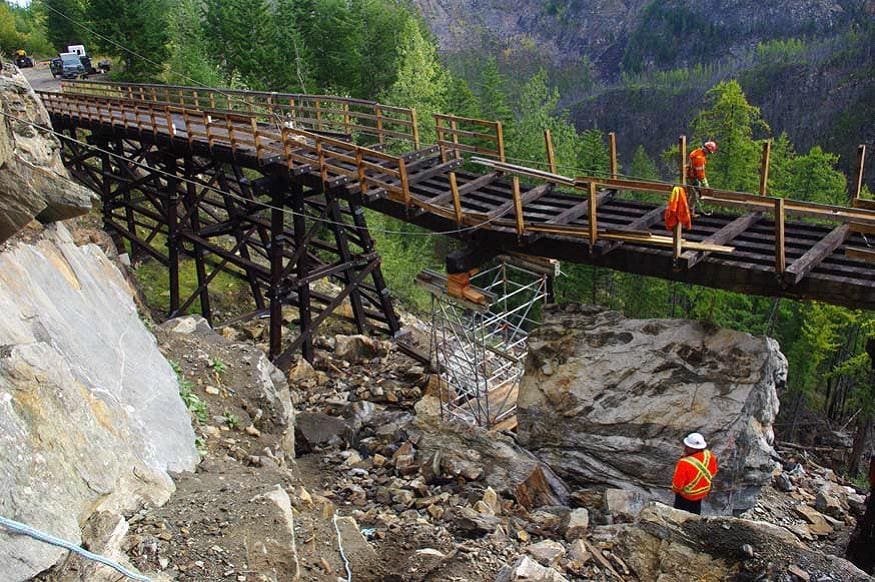
In mid-August of 2003 a lightning strike in Okanagan Mountain Park started a rapid growth forest fire. The massive fire burned for nearly a month consuming 270 homes and 26,000 hectares of forest and parkland, including 12 of the wooden trestles, while damaging the two steel bridges, the trail itself, rock faces and many amenities built up over the past ten years.
The Premier of BC formed a task force that included MLA Rick Thorpe, representing the province, Senator Ross Fitzpatrick, representing the federal government, Kelowna Mayor Walter Gray and Ken Campbell, past president of MCTRS. The Task Force recommended rebuilding the trestles to resemble the original structures, both for historic reasons as well as to showcase the versatility and dependability of BC forest products.
The reconstruction costs were eligible for the Federal/Provincial Disaster Financial Assistance Agreement. As the Myra-Bellevue Provincial Park and the National Historic Site status had just been formally recognized, Myra Canyon had to be restored.
The trestle rebuilding was managed by the Myra Canyon Reconstruction Project Management Committee comprising members of MCTRS and BC Parks. Government funding was restricted to replacing the trestles plus any collateral damage directly related to the fire. Other improvement projects were and continue to be provided by MCTRS volunteers with donated funds. These enhancements include resurfacing the trail, clearing it from overgrowth and tree falls, installing interpretive signage, and repairing the decking and railings as needed.
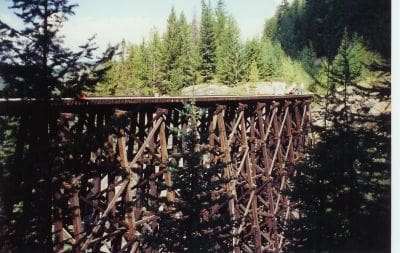
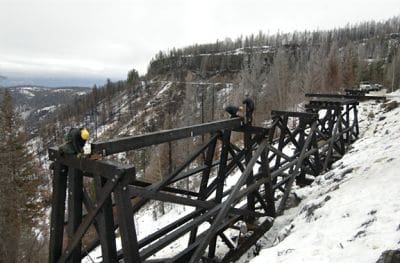
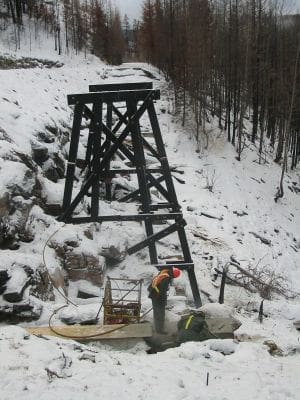
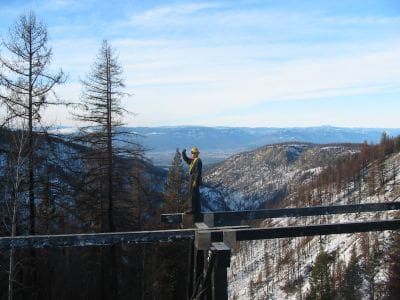
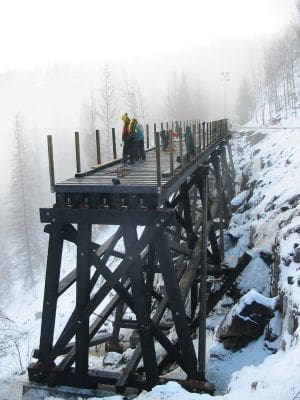
Trestle 18 was the first to be rebuilt in the fall of 2004, just one year after the fire. Five more were completed in 2005, four in 2006, three in 2007 and the final one in early 2008. Some 54,000-people visited Myra Canyon in 2008.
Maintain, Enhance, Educate, Protect
With the trestles rebuilt, MCTRS turned its attention to maintenance and enhancements. To formalize this work MCTRS entered into a ten-year agreement on January 1, 2014 with BC Parks to maintain the trail and the trestles “from the ties up”, along the entire 12 km Myra Canyon trail.
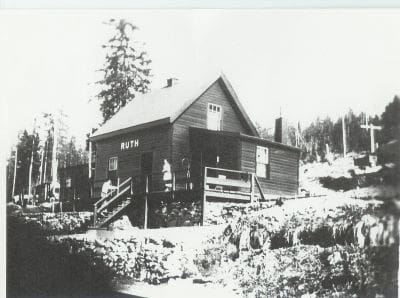
Now, MCTRS has added another objective to its mandate: the preservation and enhancement of the cultural heritage of Myra Canyon. For example, partnering with the University of British Columbia Okanagan the two organizations sponsored historical archaeological digs at two of the original constructions camps in 2007 and 2008. Future plans include maintaining the by-pass trail around trestle #3 (severely damaged in 2013) which follows an old tote (service) road and passes through another of the original construction camps.
The all-important community involvement with the Myra Canyon trail continues as does its role as a crucial link in The Great Trail (formerly the Trans Canada Trail). Volunteers continue to perform the work needed to keep Myra Canyon in great condition, supported by donations.
In November 2017, MCTRS were awarded the BC Parks 2016 Volunteer Group of the Year Award. In 2018, MCTRS celebrate 25 years of volunteer service to the Myra Canyon trestles, tunnels and trail system. Visitors continue to come from all around the world, currently over 70,000 a year.
From MCTRS to FOSS
Nov. 1, 2022, the Myra Canyon Trestle Restoration Society (MCTRS) officially dissolved after an incredible 29 year run. The Society began working with FOSS to transition their assets to FOSS.
In 1993 the Myra Canyon Trestle Restoration Society (MCTRS) was formed with the goal of making the trestles safer for the public. MCTRS was the catalyst for improving, preserving, protecting and promoting the heritage, historical and environmental features of the 12 km of the Myra Canyon trestles, tunnels and the trail system connecting them. These 18 trestles and two tunnels were originally built between 1912 and 1914. From 1993 to 2003, MCTRS volunteers added boardwalks and side rails to the trestles, cleared fallen trees, boulders and brush from the trail, added storm shelters and benches, and provided information to visitors – contributing tens of thousands of volunteer hours.
MCTRS played a vital role in protecting Myra Canyon by successfully lobbying for it to become part of the Myra-Bellevue Provincial Park (2001) and also for the trestles being recognized as a Canadian National Historic Site. Following the
devastating 2003 Okanagan Mountain Provincial Park wildfire, MCTRS, along with BC Parks, managed the rebuilding of the 12 burnt wooden trestles and 2 damaged steel trestles, with funding from the Government’s of BC and Canada. The Society restored the trail and rock faces, and replaced the damaged signage and toilets at their own expense.
The Myra Canyon Trestles section of Myra-Bellevue Provincial Park is a world-class tourist destination. None of this would be possible without the Myra Canyon Trestle Restoration Society’s commitment to preserving this engineering wonder back in 1992.
FOSS would like to express its thanks & gratitude to the MCTRS Board Members and their countless volunteers who have given so much to our community over the past 29 years. You are leaving a lasting legacy for generations to come.
Self-Guided Tour with Interpretive Guide
May 1, 2026. Visitors to the Myra Canyon Trestles can download a free interpretive guide designed to enrich their journey along the historic rail-to-trail.
The Myra Canyon Explorer brings the story of the Kettle Valley Railway to life — revealing the bold engineering, dramatic landscape, and little-known history behind one of the region’s most iconic outdoor experiences. Through a mobile-friendly format, visitors can explore the canyon at their own pace, discovering the people, challenges, and ingenuity that shaped this remarkable section of railway.
At each of the 21 Points of Interest, prominent trail-side signs invite visitors to unlock deeper stories on their phones, with content available in multiple languages. From hand-built trestles and tunnels to remote work camps and early railway technology, the experience connects today’s trail users with the realities of construction over a century ago.
Developed by the Friends of the South Slopes Society in collaboration with BC Parks, the Myra Canyon Explorer builds on more than 30 years of stewardship, trail maintenance, and historical preservation in Myra-Bellevue Provincial Park.
“We are excited to welcome local and international visitors to the rich history of the Myra Canyon trestles and Kettle Valley Railway,” said Alan Milnes, Director of the Friends of the South Slopes Society.
Areas & Trip Planning

200+ kms of trails

Incredible views

Trestles & Tunnels